 EN
EN AR
AR RU
RU ZH
ZH FR
FR ES
ES
July 11, 2026 • By KWD
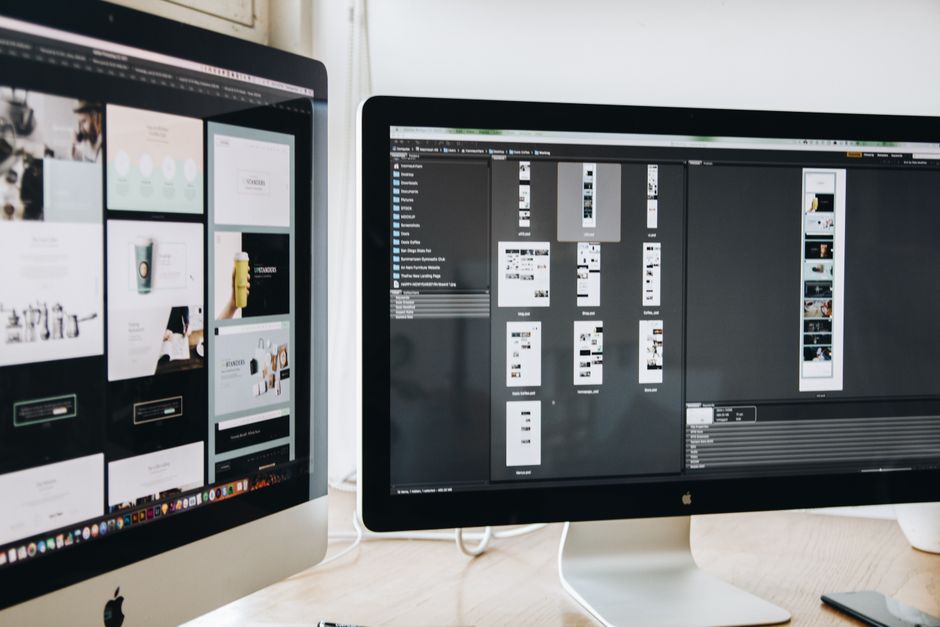
A custom website redesign is a strategic business project that rebuilds a digital asset to support growth, improve performance, and align brand positioning with user needs and commercial goals.
Key Takeaways
- Start with business goals and stakeholder alignment, not design trends or color preferences.
- Audit existing content, UX, SEO, and performance before deciding what to replace or rebuild.
- Map user journeys and audiences to shape structure and navigation that match how customers actually evaluate services.
- Build SEO, content strategy, and technology planning into the redesign process from day one to avoid post-launch damage.
- Define scope, governance, roles, success metrics, and testing protocols early to prevent delays and keep the project aligned.
A website redesign usually starts after a problem becomes too visible to ignore. Leads drop. Pages load slowly. The site looks dated next to competitors. Internal teams struggle to update content. If you are asking how to plan custom website redesign work properly, the real question is not what colors to change or which layout is trending. It is how to rebuild a digital asset so it supports growth, reflects your brand accurately, and performs better across marketing, sales, and operations.
A successful redesign is rarely about appearance alone. For serious businesses, it is a strategic project with commercial consequences. Done well, it improves user trust, search visibility, conversion rates, and internal efficiency. Done poorly, it creates delays, technical debt, SEO losses, and a site that still fails to meet business needs six months later.
Start with business goals, not design preferences
Before wireframes or visual concepts are discussed, define why the redesign is happening now. Some companies need stronger lead generation. Others need a better mobile experience, easier content management, support for multiple languages, integration with CRMs, or improved security and performance. These are not minor details. They shape the entire project.
This stage requires clarity from decision-makers. If leadership wants brand positioning, marketing wants better campaign landing pages, and IT wants a more manageable platform, all of those priorities need to be surfaced early. A custom website redesign should not force one department's needs over another's. It should align them into a clear set of business outcomes.
That alignment helps avoid a common mistake: approving a redesign based on visuals while deeper structural problems remain untouched. A modern homepage will not solve weak information architecture, poor calls to action, or a backend that limits future growth.
Audit what exists before deciding what to replace
One of the smartest ways to plan custom website redesign projects is to begin with a detailed audit. This includes content, UX, SEO, analytics, page speed, technical performance, and user behavior. Many businesses assume the whole site needs to be discarded when the real issue may be narrower. In other cases, the homepage looks acceptable while deeper pages are hurting conversions and search performance.
Review which pages attract traffic, which ones convert, and which pages users abandon quickly. Check where forms fail, where content is outdated, and where mobile usability breaks down. Evaluate technical issues such as bloated code, plugin dependence, indexing problems, and poor Core Web Vitals.
This audit gives the redesign direction. It also protects valuable assets. Businesses often lose rankings and traffic during redesigns because they fail to preserve high-performing pages, keyword relevance, metadata, and redirect logic. A redesign should improve what works, not erase it.
Define the audiences and journeys that matter most
Not every visitor comes to your site with the same intent. A corporate procurement lead behaves differently than a retail customer. A first-time visitor needs different information than a returning prospect comparing suppliers. Your redesign plan needs to reflect that.
Map the core user groups and what each one needs to do. They may need to request a quote, review services, check credibility, compare capabilities, book a consultation, or contact support. Those journeys should shape structure, navigation, content hierarchy, and page-level priorities.
This is where custom work matters. Template-first redesigns often force businesses into generic layouts that do not match how their audiences actually evaluate services. A custom approach allows the website to support the real sales process, not an assumed one.
Set redesign scope early and keep it realistic
Scope is where many redesigns lose control. A company begins with a website refresh and soon adds rebranding, content rewriting, SEO recovery, CRM integration, multilingual support, custom calculators, portal development, and marketing automation. None of these are bad ideas, but they must be defined properly.
Break the project into phases if needed. There is a difference between a redesign that must relaunch core pages quickly and a larger digital transformation initiative. Both are valid. What matters is matching scope to timeline, budget, and internal capacity.
If your business has approvals across multiple stakeholders, build that into the plan. If content depends on legal review or regional office input, account for those delays early. Good planning is not just about technical delivery. It is about reducing avoidable friction.
Create a content strategy before design starts
Content is one of the most underestimated parts of a redesign. Businesses often spend weeks discussing visuals, then discover too late that service pages are outdated, product descriptions are inconsistent, and no one owns the rewrite process.
A redesign plan should identify what content will be kept, updated, merged, removed, or created from scratch. It should also define tone, messaging priorities, SEO targets, and page purpose. If your website serves multiple markets or languages, content planning becomes even more critical.
Strong design can improve readability and engagement, but it cannot fix weak positioning. Your website needs clear messaging that explains what you do, who you do it for, and why your company is the right partner. For many businesses, this is where the redesign creates the biggest commercial improvement.
Build SEO into the redesign plan from day one
SEO should never be treated as a post-launch task. If search visibility matters to your business, it needs to be built into the redesign process from the beginning. That includes URL structure, content mapping, metadata, internal linking logic, page hierarchy, schema opportunities, redirects, and crawlability.
When companies redesign without SEO planning, they often damage rankings by changing URLs carelessly, deleting useful content, or weakening keyword relevance. Recovery can take months. A better approach is to map existing performance and make deliberate decisions about what changes and what stays.
A custom redesign also creates an opportunity to fix long-standing technical SEO issues. Cleaner code, improved page speed, mobile performance, and stronger information architecture can all contribute to better visibility when they are handled correctly.
Plan the technology stack around future needs
Your redesign is not only a front-end decision. It is also a technology decision. The CMS, hosting environment, integrations, security approach, and scalability requirements all matter. If your business plans to expand services, publish more content, add booking functions, connect to internal systems, or support multiple regions, the platform needs to handle that without constant workarounds.
This is one reason experienced businesses prefer custom development over one-size-fits-all builds. A site should fit the organization, not force the organization to fit the site. That said, custom does not always mean building everything from zero. It means selecting and shaping the right technical foundation for your goals.
An experienced partner such as DATA will usually guide this discussion through performance, maintainability, integration needs, and long-term ownership, not just immediate launch requirements.
Establish governance, roles, and approval paths
Redesigns slow down when nobody knows who owns final decisions. Define project leadership clearly. Identify who approves design, who reviews content, who handles technical sign-off, and who will manage the site after launch.
This matters even more for companies with multiple departments, brands, or regional stakeholders. A redesign can become politically complicated if every revision turns into a debate about preferences. Strong governance keeps the process tied to business goals, user needs, and measurable performance standards.
It also helps to decide early how success will be measured. That may include lead volume, conversion rate, bounce rate, mobile engagement, page speed, keyword growth, time on site, or content publishing efficiency. Without agreed success metrics, redesigns become subjective very quickly.
Test before launch and support after launch
No redesign should go live without structured testing. Check responsive behavior across devices, form functionality, analytics setup, redirects, page speed, browser compatibility, accessibility basics, and key user journeys. A beautiful site that breaks quote requests or loses tracking data will create immediate business problems.
Post-launch support is just as important. Websites need monitoring, maintenance, updates, security oversight, and performance review. Real-world user behavior often reveals issues that staging environments do not. Treat launch as the beginning of optimization, not the finish line.
A practical redesign plan includes a post-launch window for fixes, refinement, and data review. That is how businesses turn a redesign into a long-term performance asset rather than a one-time project.
How to plan custom website redesign work that lasts
If there is one principle that improves redesign outcomes, it is this: plan for the business you are becoming, not only the website you are replacing. The best redesigns create room for growth. They support marketing more effectively, make management easier internally, and give customers a clearer, more credible experience.
That requires strategic planning, technical discipline, and honest conversations about what the current site is failing to do. The strongest results come from treating redesign as a business decision with design, development, content, and performance working together. When that happens, your new website does more than look current. It starts carrying its share of the company’s growth.

