 EN
EN AR
AR RU
RU ZH
ZH FR
FR ES
ES
August 14, 2026 • By KWD
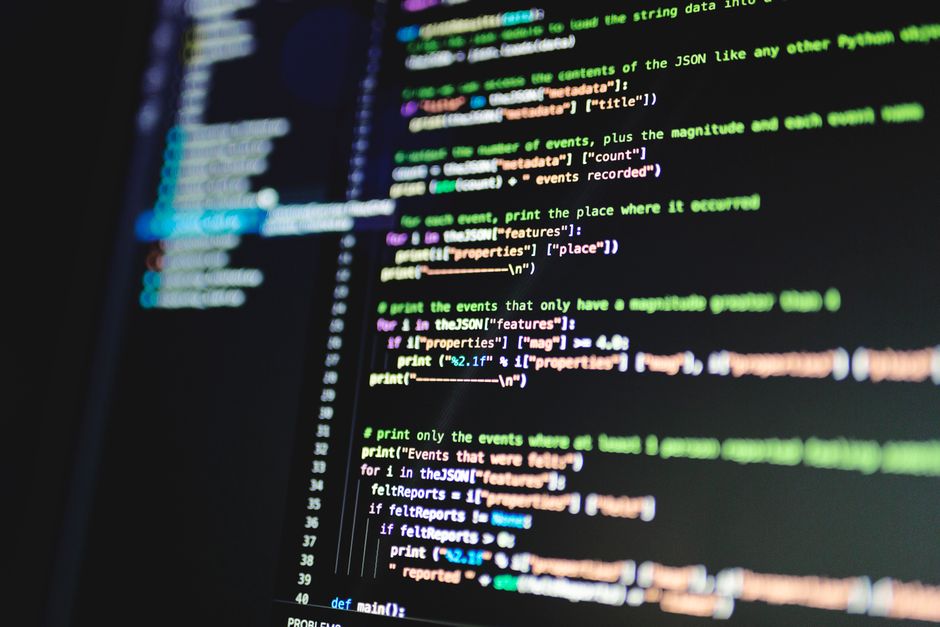
AI-generated code carries hidden risks in production environments. Responsibility and liability fall entirely on the business owner, not the AI vendor, requiring rigorous code review, testing, and security audits before deployment.
Key Takeaways
- AI tools disclaim all liability; you bear full responsibility for code failures, breaches, and downtime in production.
- AI-generated code often contains security vulnerabilities, logic errors, performance problems, and missing error handling that human review catches.
- Every line of AI code must pass rigorous code review, automated and manual testing, and security audits before production deployment.
- Professional web development companies provide accountability and contractual obligation; freelancers using unreviewed AI code expose you to liability.
- Production websites require active monitoring, documentation, rollback plans, and transparent disclosure of AI assistance in hiring contracts.
Artificial intelligence can generate code in seconds. A developer pastes a problem description into an AI tool, clicks a button, and functional code appears. It feels like magic—until something breaks in production. Then the magic disappears, and a harsh question emerges: who is responsible when AI-generated code fails on your live website? This question matters deeply for any Kuwait business relying on web applications, e-commerce platforms, or critical digital infrastructure. Understanding accountability, risk ownership, and the true cost of AI-assisted development is essential before you let algorithms write your production code.
The Appeal and the Trap of AI Generated Code
AI generated code has legitimate value. Tools like ChatGPT, GitHub Copilot, and Claude can accelerate routine tasks, generate boilerplate, and help developers solve problems faster. For internal scripts, learning projects, and proof-of-concepts, AI assistance is practical and cost-effective.
But production websites are different. A production website serves real customers, processes real transactions, and holds real data. When it breaks, consequences are immediate and measurable: lost sales, damaged reputation, customer frustration, and potential regulatory exposure. The developer or business owner who deployed AI-generated code to production without proper safeguards bears that risk.
Here's what many businesses don't realize: AI tools explicitly disclaim liability. Their terms of service state clearly that they provide code "as-is" without warranty. If the code causes a breach, a failure, or a loss, the AI vendor is not responsible. You are.
The Hidden Risks in AI Generated Code
AI-generated code often contains subtle, dangerous flaws that human reviewers miss on first read:
- Security vulnerabilities: AI models train on public code repositories, including insecure patterns. They may generate SQL injection risks, unvalidated inputs, weak encryption, or hardcoded credentials—issues that pass surface inspection but expose your data in production.
- Logic errors: Code that looks syntactically correct but fails under edge cases. An e-commerce checkout flow might work for standard transactions but crash on bulk orders or specific payment methods.
- Performance problems: Inefficient algorithms, N+1 database queries, or memory leaks. These may not break immediately but degrade your site's speed and stability under load, harming user experience and SEO.
- Lack of error handling: AI may generate happy-path code that works when everything goes right but crashes when APIs fail, networks timeout, or unexpected data arrives.
- Undocumented dependencies: Missing context about system architecture, third-party integrations, or business rules. Code that works in isolation breaks when deployed into your actual environment.
- Maintenance debt: AI code is often harder to understand and modify. Future developers inherit code they cannot easily debug or extend, leading to costly refactoring or complete rewrites.
A single flaw in any of these areas can cascade into production failures, customer data exposure, or service outages. The cost to fix is exponentially higher once deployed than if caught during development.
Code Review, Testing, and the Real Cost of Responsibility
Responsible AI-assisted development requires a rigorous process that most businesses and freelancers skip:
Code Review by Experienced Developers
Every line of AI-generated code must be reviewed by a human developer who understands your system, your security requirements, and your business logic. This is not a quick glance—it is a thorough audit. The reviewer must ask: Is this secure? Does it fit our architecture? Will it perform under load? Are there edge cases the AI missed?
This step takes time and expertise. It costs money. And it is non-negotiable for production code.
Automated and Manual Testing
AI-generated code must pass unit tests, integration tests, and user acceptance testing before production. This includes stress testing, security scanning, and penetration testing if the code handles sensitive data or payments.
Testing catches the flaws that review misses. It is the only honest way to measure code quality.
Security Audits
If AI code touches authentication, payments, user data, or external integrations, it must undergo security audit. This is especially critical for e-commerce sites processing payments through KNET or other payment gateways in Kuwait—non-compliance risks fines and loss of transaction capability.
Documentation and Rollback Plans
Professional development requires written documentation explaining what the code does, how it integrates, and what can go wrong. You also need a documented rollback plan: if code fails in production, how do you revert quickly?
This documentation is your safety net when something breaks at 2 AM. Without it, you are fixing blind.
Ownership, Accountability, and the Production Website
In professional software development, production website responsibility is clear and written into contracts:
- A web development company that builds your site owns the quality of code it deploys and commits to support, maintenance, and fixes.
- A freelancer who uses AI without disclosing it, without code review, and without testing is exposing you to liability they hide.
- Your business, as the owner, is ultimately liable to your customers if their data is breached, if transactions fail, or if the site goes down.
When you hire a professional web development company, you are paying for more than code—you are paying for accountability. The company's reputation, insurance, and contractual obligation create incentive to do the work right. When something breaks, you have recourse. When you hire a freelancer who cuts corners with unreviewed AI code, you have almost none.
This is why website maintenance and ongoing monitoring matter. A production website requires active oversight: monitoring for errors, security patches, performance degradation, and failed integrations. A web development company provides this. A freelancer who disappears after launch does not.
AI Coding Risks: The Real-World Scenarios
Here are concrete examples where AI-generated code caused problems in production:
E-Commerce Checkout Failure
A developer used AI to generate payment processing code. The code worked in testing with normal order amounts. In production, a customer placed a bulk order, and the code crashed because it assumed orders under a certain size. The site lost the sale and customer trust. Fixing required emergency code changes and full re-testing.
Data Leakage
An AI-generated authentication system had a logic error: it checked if a user was an admin but failed to validate the check result before granting access. An attacker found the flaw within hours. Customer data was exposed before the breach was detected. The cost: legal fees, notification costs, regulatory fines, and reputation damage—easily thousands of KD.
Performance Degradation
A backend API was written with AI assistance. It worked fine initially, but as data volume grew, database queries became exponentially slower. The site began timing out under normal load. Diagnosis required days of profiling. Root cause: the AI had generated an inefficient query pattern that only became obvious at scale.
Silent Data Corruption
AI-generated code handled recurring billing. It worked correctly 99% of the time, but a specific edge case—customers with certain subscription types—led to incorrect charges. The bug went undetected for weeks, affecting dozens of customers and generating disputes, refunds, and lost revenue.
None of these scenarios are theoretical. They happen regularly when AI-generated code bypasses proper review and testing.
Building a Sustainable AI-Assisted Development Process
If your business wants to benefit from AI in development while managing risk responsibly, use this framework:
- Use AI as a tool, not a replacement: Let AI generate initial code, but treat it as a draft that requires human refinement.
- Require code review: Every piece of AI code must be reviewed by an experienced developer before merging to your codebase.
- Implement testing discipline: Unit tests, integration tests, and user acceptance tests are mandatory, not optional.
- Run security scans: Use automated security tools to detect common vulnerabilities in AI-generated code.
- Document everything: Write clear documentation about what the code does, its assumptions, and its failure modes.
- Monitor production: Deploy error monitoring, performance tracking, and alerting so issues are caught immediately, not days later.
- Have a rollback plan: Know how to revert code quickly if something goes wrong.
- Maintain transparency: If you are hiring developers, disclose that AI assists the work and that rigorous review compensates for AI risks.
This process is more expensive and slower than deploying AI code directly. It is also the only honest way to maintain a reliable, secure production website.
Why Hiring a Professional Web Development Company Matters
A professional web development company like DATA brings accountability, process, and liability insurance that a freelancer cannot match. When you contract with a reputable firm, you get:
- Written code review standards and security policies.
- Comprehensive testing before any production deployment.
- Ongoing website maintenance and monitoring.
- Documentation and support continuity.
- Professional liability coverage.
- Contractual obligation to fix defects and provide support.
A freelancer offering AI-assisted development at cut-rate prices may be tempting, but the hidden cost of poor code, security risks, and lack of accountability often exceeds the savings.
For a Kuwait business, this distinction is particularly important. If your website processes customer payments, holds personal data, or supports business-critical functions, the cost of a failure is high. Hiring a professional web development company is not a luxury—it is risk management.
The bottom line: AI-generated code is a legitimate productivity tool when properly governed. It is a liability when deployed without review, testing, documentation, and ongoing support. Responsibility for your production website ultimately rests with you—the business owner. Choose development partners who take that responsibility seriously, who have process and accountability, and who commit to your site's success long after launch.
Ready to discuss how to build a secure, maintainable website with responsible AI-assisted development? Get a free consultation with DATA today. We specialize in building production websites for Kuwait businesses with the oversight, testing, and accountability your site deserves.

